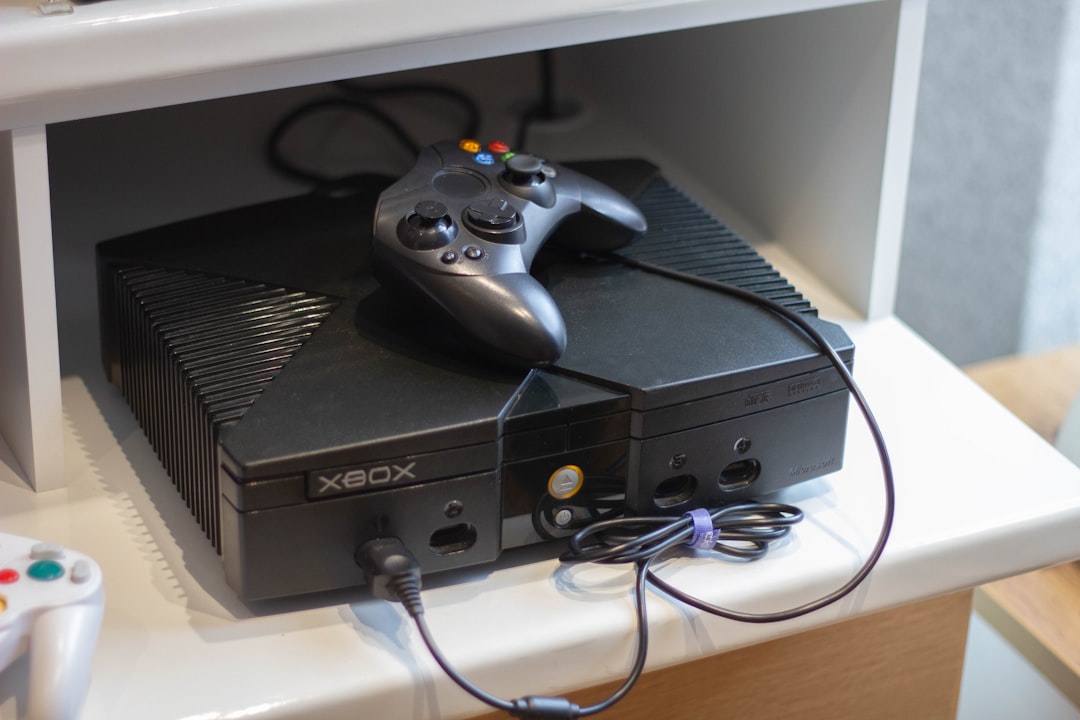
First-person shooters represent one of gaming's most popular genres, offering fast-paced action and competitive gameplay. For newcomers, the genre can feel overwhelming due to the quick reflexes and tactical knowledge required. This comprehensive guide breaks down the essential skills and concepts needed to start your FPS journey successfully.
Understanding Controller Fundamentals
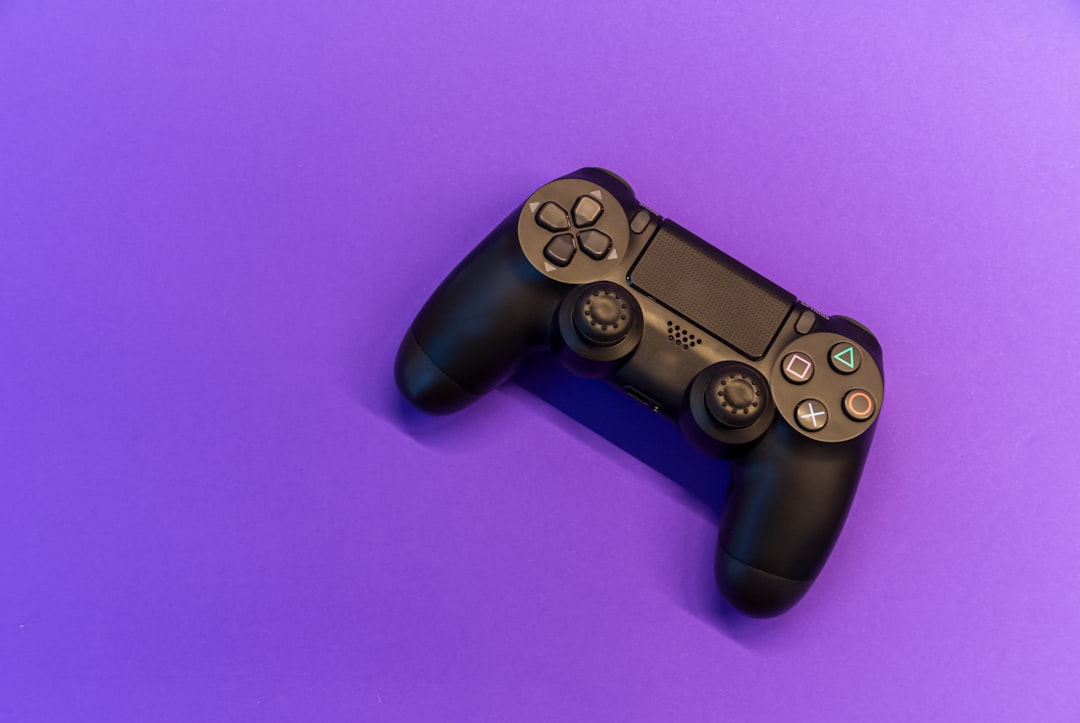
Console FPS games use a standardized control scheme that becomes intuitive with practice. The left analog stick controls movement in all directions, while the right stick manages camera and aiming. Trigger buttons typically handle shooting and aiming down sights, with face buttons assigned to jumping, crouching, reloading, and weapon switching. Understanding this basic layout provides the foundation for all other skills.
Practice moving and looking simultaneously, as this coordination forms the basis of FPS gameplay. New players often struggle with this dual-stick control initially, but muscle memory develops through consistent play. Start in safe environments or practice modes to build comfort with basic movement before engaging in combat situations. The ability to move fluidly while maintaining camera control separates novice players from competent ones.
Sensitivity Settings and Aiming
Sensitivity settings dramatically affect aiming performance and comfort. Higher sensitivity allows faster camera movement but reduces precision, while lower sensitivity provides better accuracy at the cost of turning speed. Most players find success with moderate sensitivity settings that balance these factors. Experiment with different values to find what feels natural for your playstyle.
Aim assist features help console players compensate for the precision limitations of analog sticks. These systems provide slight corrections when aiming near targets, making accurate shooting more achievable. Understanding how aim assist works in your chosen game helps you leverage it effectively. Some players prefer minimal assistance for greater control, while others maximize these features for consistency.
Weapon Types and Characteristics
FPS games typically feature various weapon categories, each suited to different situations and playstyles. Assault rifles offer versatility with moderate damage and manageable recoil across medium ranges. Submachine guns excel in close quarters with high fire rates but lose effectiveness at distance. Sniper rifles provide devastating long-range precision but leave users vulnerable in close combat. Understanding these distinctions helps you select appropriate weapons for different scenarios.
Weapon handling varies significantly between types. Recoil patterns determine how weapons behave during sustained fire, with some climbing vertically and others pulling to specific sides. Learning to control recoil through practice improves accuracy substantially. Reload speeds affect tactical decisions about when to seek cover versus continuing engagement. Mastering these weapon-specific characteristics develops naturally through consistent use.
Movement and Positioning
Effective movement goes beyond simply walking forward. Strafing, the side-to-side movement while facing forward, makes you a harder target while maintaining aim on enemies. Crouching reduces your hitbox and improves accuracy but decreases mobility. Jumping can help navigate terrain or avoid explosives but typically reduces shooting accuracy mid-air. Learning when to employ each movement type enhances survivability.
Positioning involves choosing advantageous locations for engagements. High ground provides better sightlines and makes you harder to hit. Cover protects you from enemy fire and provides opportunities to regenerate health. Corner positioning allows you to peek and retreat quickly. Understanding map layouts and identifying strong positions gives significant tactical advantages over opponents who wander aimlessly.
Tactical Awareness
Minimap reading provides crucial information about teammate locations, objectives, and sometimes enemy positions. Regularly checking your minimap becomes second nature with practice, offering situational awareness that prevents surprise attacks. Audio cues like footsteps and gunfire reveal enemy locations before visual contact. Quality headphones dramatically improve your ability to use sound for tactical advantage.
Predicting enemy movement and spawn locations improves through map knowledge and experience. Understanding common routes and popular camping spots helps you anticipate threats. Learning spawn systems prevents you from running into freshly respawned enemies unprepared. This tactical knowledge accumulates gradually through gameplay but accelerates by studying maps deliberately.
Engagement Strategies
Knowing when to engage versus retreat marks a crucial skill distinction. Fighting from disadvantageous positions or low health often results in preventable deaths. Choosing favorable engagements where you have advantages in position, health, or weaponry improves your success rate. Sometimes the best decision involves avoiding combat entirely to reach better positions or regroup with teammates.
Peek shooting involves exposing yourself minimally while taking shots, then returning to cover. This technique reduces the time enemies have to shoot back while still allowing you to apply pressure. Pre-aiming common angles as you move through maps lets you react faster to enemies. These engagement techniques develop through intentional practice rather than casual play.
Game Mode Basics
Team Deathmatch focuses purely on eliminating opponents, making it ideal for practicing gun skills without objective pressure. Domination requires capturing and holding specific zones, balancing combat with strategic positioning. Search and Destroy features single-life rounds with objective-based gameplay, rewarding careful play and communication. Each mode requires different approaches and offers distinct learning opportunities for new players.
Understanding mode-specific strategies helps you contribute effectively. In objective modes, prioritizing goals over personal kills often leads to victory despite lower individual scores. Learning when to push aggressively versus playing defensively depends on current game state and team composition. These strategic considerations add depth beyond simple shooting skills.
Learning from Mistakes
Reviewing deaths analytically rather than blaming external factors accelerates improvement. Consider what positioning errors led to your death, whether you could have used better cover, or if your weapon choice suited the engagement range. This reflective approach turns frustrating deaths into learning opportunities that build your tactical knowledge.
Recording gameplay allows you to identify patterns in your mistakes. You might discover you consistently overextend from your team or fail to check specific corners. Addressing these recurring issues systematically improves your overall performance more effectively than unfocused practice. Many players plateau because they repeat the same mistakes without recognizing them.
Building Good Habits
Developing consistent habits creates a solid foundation for advanced skills. Always reloading behind cover rather than in the open becomes automatic with repetition. Checking your minimap every few seconds provides constant awareness. Communicating enemy positions to teammates, even in casual games, builds communication skills for competitive play. These habits feel awkward initially but become natural through persistent application.
Warm-up routines prepare you for optimal performance. Spending minutes in practice ranges or aim trainers before playing competitively improves early match performance. This preparation is particularly important if you play infrequently, as aim and reaction times deteriorate between sessions. Establishing these preparation habits shows commitment to improvement beyond just playing matches.
Conclusion
Starting your FPS journey requires patience and dedication to fundamental skill development. Progress comes through understanding core mechanics, deliberate practice, and analytical review of your gameplay. While raw reflexes matter, tactical knowledge and positioning often outweigh pure mechanical skill. Focus on steady improvement rather than comparing yourself to experienced players, and you will develop into a competent FPS player over time.